
Prenatal & Postpartum Massage: Dual Benefits for Body and Mind Through Pregnancy and Beyond
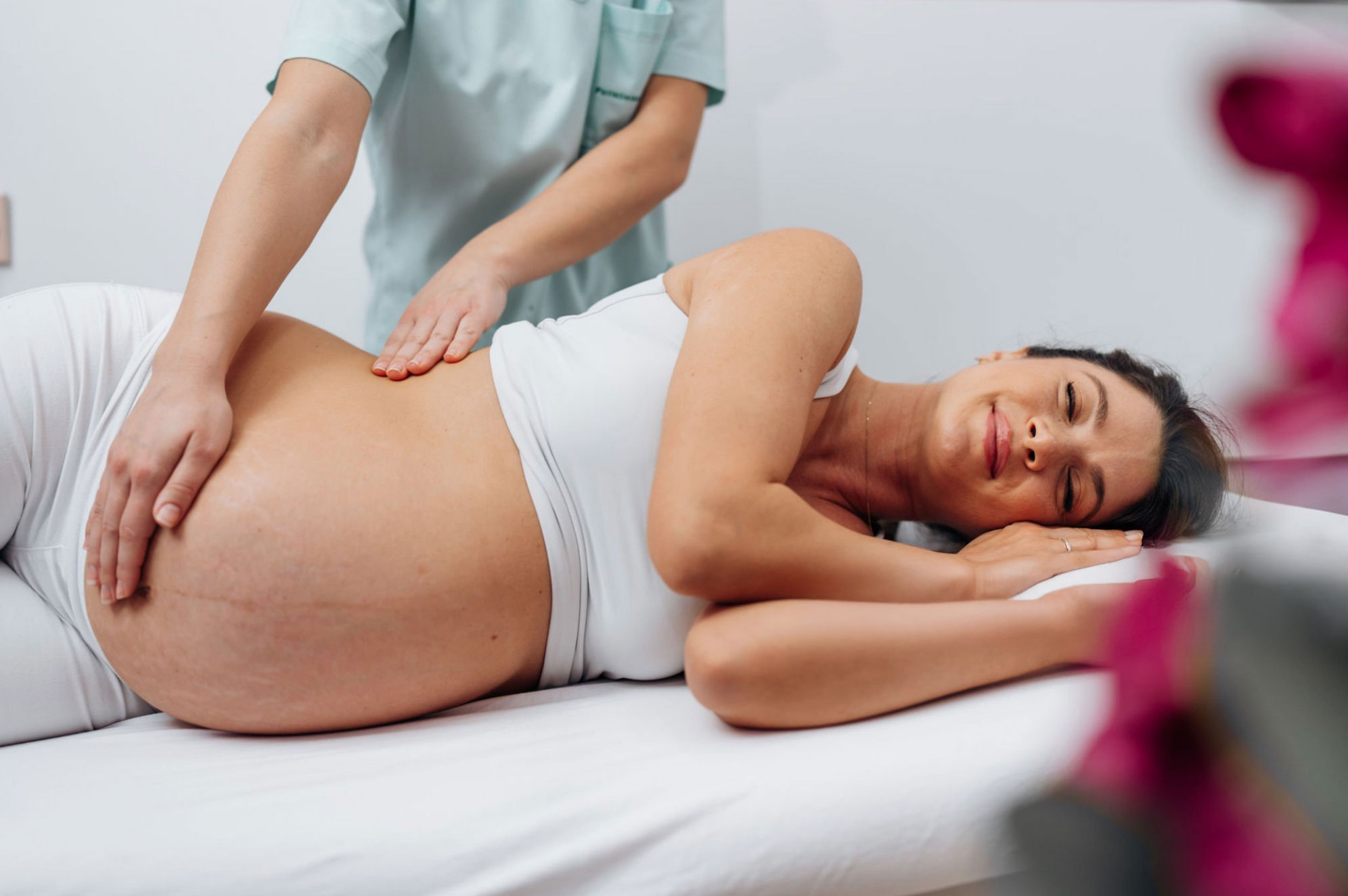
Pregnancy and the postpartum period are marked by extraordinary physical and emotional changes. From the swelling and soreness of late pregnancy to the fatigue and recovery challenges after birth, mothers face unique demands at every stage. Finding ways to care for both body and mind is essential, not only for comfort but also for long-term well-being.
Massage therapy offers a supportive and holistic option for mothers throughout this journey. The benefits extend beyond relaxation—touch has been shown to relieve pain, reduce swelling, balance hormones, and improve emotional health. This article explores the dual benefits of prenatal and postpartum massage, showing how both can ease the transition through pregnancy and beyond.
Prenatal Massage Benefits for the Body and Mind
Prenatal massage is specifically tailored to address the changes and discomforts of pregnancy. Physically, it relieves muscle tension in the back, hips, and legs that results from weight gain and postural shifts. Research has shown that massage promotes circulation, reduces swelling (edema), and alleviates joint pain caused by the loosening effects of the hormone relaxin¹. These benefits can make daily movement more comfortable and prepare the body for labor.
The emotional benefits of prenatal massage are equally important. Studies indicate that massage reduces anxiety and promotes better sleep—two outcomes that are often disrupted during pregnancy². By lowering stress hormones, massage helps restore calm and resilience, giving mothers a chance to recharge in the midst of physical demands.
Prenatal massage also has measurable hormonal effects. Research demonstrates that it reduces cortisol levels while increasing serotonin and dopamine, neurotransmitters linked to improved mood and relaxation³. This shift not only eases stress but also enhances the overall sense of well-being for both mother and baby.
Postpartum Massage Benefits for Healing and Recovery
After birth, the body requires time and care to heal, especially following a C-section or complicated delivery. Postpartum massage can play an important role in this process. Gentle massage around the abdomen and incision site, once medically cleared, improves circulation and supports scar tissue healing⁴. This helps reduce adhesions and restores mobility in the core and hips.
Beyond the surgical site, many mothers struggle with muscle strain from feeding, carrying, and soothing their newborns. Postpartum massage eases tension in the shoulders, neck, and back, alleviating common sources of discomfort. It can also promote circulation in the legs and reduce postpartum swelling, which is often worsened by IV fluids and reduced mobility after delivery.
The benefits extend beyond physical recovery. Massage lowers anxiety, promotes relaxation, and may support breastfeeding by reducing stress and improving oxytocin release⁵. In this way, postpartum massage provides mothers with both physical relief and emotional restoration, allowing them to recover more fully while adapting to their new role.
Shared Benefits Across Both Stages
Although the needs of prenatal and postpartum massage differ, they share common advantages that support mothers holistically. Both forms of massage reduce stress hormones and promote hormonal balance, which not only alleviates discomfort but also strengthens emotional resilience. Massage fosters a deeper mind-body connection, helping mothers feel more grounded at times of intense change.
Perhaps most importantly, massage reinforces the idea that self-care is not a luxury but an essential part of maternal health. Whether easing swelling during pregnancy or restoring strength after childbirth, massage helps mothers show up for themselves—an act that ultimately benefits their babies and families as well.
Safety Considerations
While massage is generally safe and beneficial, it is important to observe precautions at each stage. During pregnancy, mothers should work only with certified prenatal massage therapists trained to use side-lying positioning, lighter pressure, and safe techniques. Certain pressure points and lying flat on the back after 20 weeks should be avoided¹.
In the postpartum period, clearance from a healthcare provider is essential before beginning massage, particularly for mothers recovering from a C-section or complicated delivery. Therapists trained in postpartum massage understand when and how to safely address scar tissue, swelling, and core recovery. Sessions may start gently, with intensity increasing as healing progresses.
By working with trained professionals, mothers can be confident that massage is not only safe but also an effective complement to their broader care plan.
Finding Trusted Massage Support
For many mothers, the challenge is not deciding whether massage would help, but figuring out where to find safe, qualified therapists who understand the specific needs of pregnancy and postpartum. Tot Squad connects families with resources across these stages of parenthood, helping to make self-care more accessible.
A trusted option is Soothe, a platform that connects clients with licensed massage therapists who are experienced in prenatal and postpartum care. With the flexibility to book services at home or in clinics, Soothe makes it easier for new and expectant mothers to access professional support in a way that fits their lifestyle. Whether the goal is to ease swelling during pregnancy or to aid recovery after childbirth, using a trusted service like Soothe ensures that care is both safe and effective.
Conclusion
From pregnancy through the postpartum period, massage offers dual benefits for body and mind. Prenatal and postpartum massage provide relief from physical discomforts like swelling, muscle tension, and scar tissue, while also supporting emotional health and hormonal balance. In doing so, massage becomes more than a moment of relaxation—it is a vital form of care that supports mothers through one of the most transformative stages of life.
By incorporating massage into a prenatal and postpartum care plan, mothers can approach both pregnancy and recovery with greater comfort, resilience, and well-being. And with resources like Soothe available to connect families with trusted therapists, making massage part of the journey has never been more accessible.
References
- American Pregnancy Association. Prenatal Massage: Benefits and Safety. Retrieved from https://americanpregnancy.org/healthy-pregnancy/is-it-safe/prenatal-massage/
- Cleveland Clinic. Prenatal Massage: What You Need to Know. Retrieved from https://health.clevelandclinic.org/prenatal-massage
- Field, T. (2021). Prenatal Massage Therapy Research: A Review. International Journal of Environmental Research and Public Health, 18(15), 7876. Available on PubMed Central: https://www.ncbi.nlm.nih.gov/pmc/articles/PMC8396946/
- Verywell Health. Postpartum Massage: Benefits, Techniques, and Safety. Retrieved from https://www.verywellhealth.com/postpartum-massage-5209564
- Mayo Clinic. Breastfeeding nutrition: Tips for moms. Retrieved from https://www.mayoclinic.org/healthy-lifestyle/infant-and-toddler-health/in-depth/breastfeeding-nutrition/art-20046912


.png)
