
How Prenatal Massage Promotes Relaxation and Hormonal Balance—and Why Postpartum Massage Shouldn’t Be Overlooked
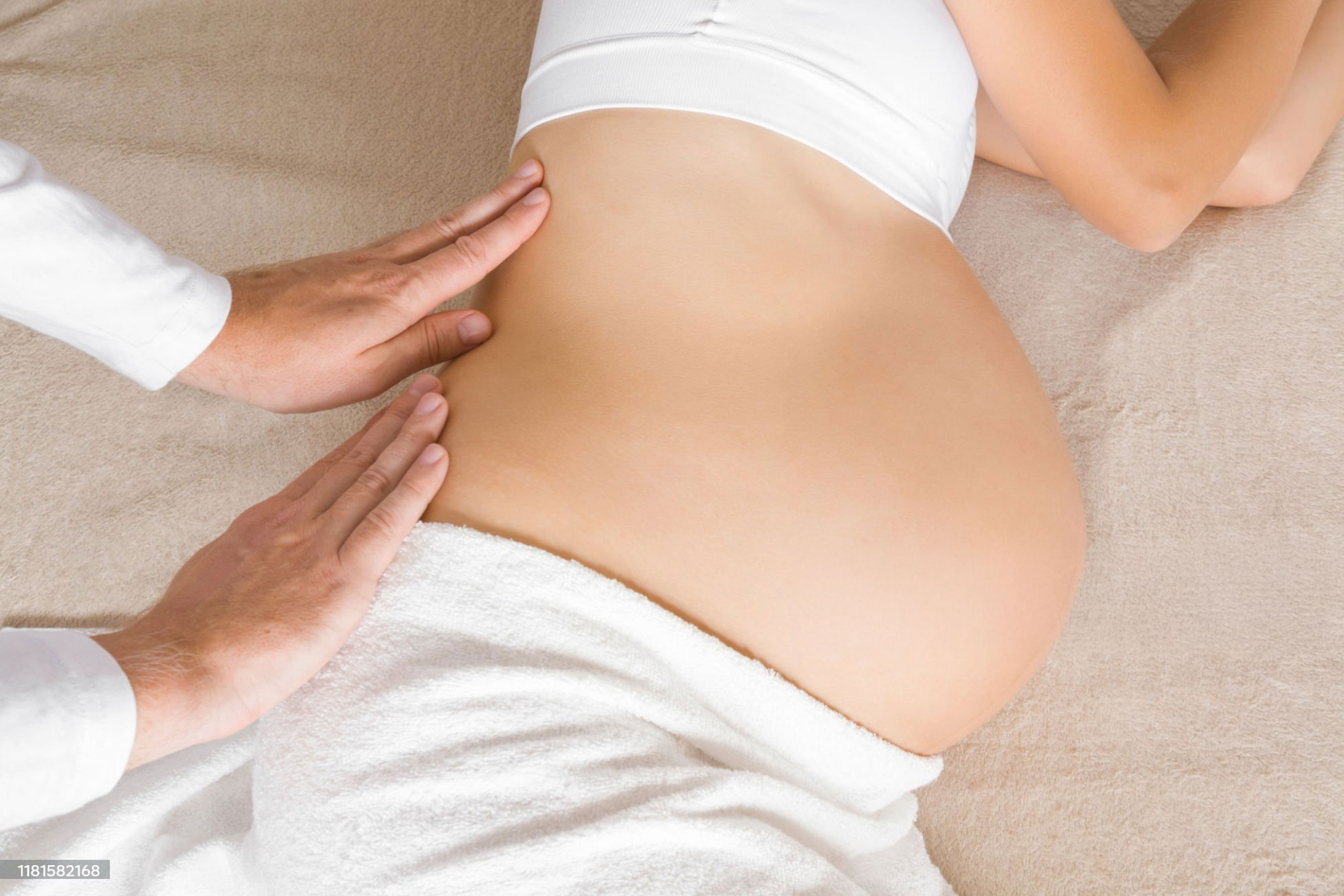
For expectant mothers, shifting hormones, physical discomfort, and anxiety about childbirth can all make it difficult to rest during pregnancy and in the postpartum state. After delivery, new mothers often face exhaustion, hormonal swings, and the challenges of caring for a newborn while recovering physically. In both stages, finding ways to restore calm and balance is essential.
Massage therapy offers a safe, evidence-based tool for achieving these goals. Far from being a luxury, research shows that massage can regulate stress hormones, improve mood, and promote deep relaxation. This article explores how prenatal massage relaxation and hormonal balance support mothers during pregnancy, and why postpartum massage provides equally powerful benefits for recovery and emotional well-being.
The Role of Relaxation During Pregnancy
Pregnancy is often called a joyful time, but it can also be marked by stress, fatigue, and sleep disruption. Anxiety about labor, discomfort from physical changes, and even the demands of balancing work and family can make relaxation difficult to achieve. Yet relaxation during pregnancy is more than a comfort—it is vital for maternal and fetal health.
Massage helps by calming the body’s stress response. Studies show that prenatal massage lowers heart rate, reduces muscular tension, and promotes parasympathetic nervous system activity, which is responsible for “rest and digest” functions¹. This deep relaxation allows expectant mothers to recharge physically and mentally, often leading to improved sleep quality and reduced anxiety.
How Prenatal Massage Supports Hormonal Balance
Beyond physical relaxation, massage plays an important role in regulating hormones. Elevated cortisol levels—the body’s primary stress hormone—are linked with higher risks of preterm labor, low birth weight, and complications during pregnancy². Prenatal massage has been shown to reduce cortisol levels while boosting serotonin and dopamine, neurotransmitters associated with mood stabilization and well-being³.
The hormonal effects of massage go beyond short-term relief. Regular prenatal massage sessions may help lower the risks associated with chronic stress, while also improving maternal mood and overall resilience. For many women, these hormonal shifts create a calmer state of mind as they prepare for labor, supporting both their own health and the health of their baby.
Emotional Benefits of Prenatal Massage
Massage therapy also provides significant emotional support. Anxiety and depression are common during pregnancy, and research indicates that prenatal massage can reduce symptoms of both⁴. By easing stress, enhancing body awareness, and encouraging deep rest, massage helps mothers feel more connected and confident in their bodies as they approach childbirth.
The improved sleep quality associated with prenatal massage further enhances emotional stability. Sleep deprivation exacerbates stress and mood changes, while adequate rest helps regulate emotions and energy levels. Prenatal massage creates a restorative space that supports mothers holistically, addressing both the physical and psychological demands of pregnancy.
Why Postpartum Massage Shouldn’t Be Overlooked
The need for relaxation and hormonal balance does not end with delivery. In fact, the postpartum period can be even more stressful, as mothers face physical recovery, round-the-clock caregiving, and profound hormonal shifts. Levels of estrogen and progesterone drop sharply after childbirth, while sleep deprivation and the demands of caring for a newborn add further strain.
Postpartum massage can provide vital relief during this time. It helps reduce muscular tension caused by feeding and carrying the baby, supports circulation, and promotes healing after labor or surgery. Just as importantly, it regulates stress hormones, reduces anxiety, and restores emotional balance⁵. These benefits make postpartum massage a valuable tool for mothers navigating the early weeks and months after delivery.
Massage and Emotional Healing After Childbirth
Massage therapy contributes to emotional healing in the postpartum period in ways that extend beyond stress relief. Research shows that massage can lower cortisol while increasing oxytocin, the hormone that supports bonding and breastfeeding⁶. This hormonal balance fosters a sense of calm, nurtures the maternal-infant connection, and may improve breastfeeding success by promoting milk let-down.
By easing physical strain and restoring emotional equilibrium, postpartum massage helps mothers feel more grounded and supported during a period when many feel depleted. It offers not just recovery for the body but also renewal for the mind and spirit.
Shared Benefits Across Both Phases
Although the needs of prenatal and postpartum massage differ, they share common advantages that benefit mothers holistically. Across both phases, massage has been shown to:
- Reduce cortisol, lowering stress and anxiety.
- Increase serotonin, dopamine, and oxytocin, supporting mood and emotional well-being.
- Improve sleep quality, which helps regulate energy and emotions.
- Create a nurturing space for self-care and mindfulness.
These shared benefits demonstrate that massage is not simply a luxury—it is a therapeutic practice that supports resilience and health at every stage of motherhood.
Safety Considerations
While massage is safe for most mothers, precautions are essential. Prenatal massage should only be performed by certified therapists trained in pregnancy techniques, using safe side-lying positioning and avoiding high-risk pressure points¹. After 20 weeks, lying flat on the back should be avoided to maintain circulation.
For postpartum massage, medical clearance from a healthcare provider is recommended before beginning treatment, especially after a C-section or complicated delivery. Licensed therapists trained in postpartum techniques can safely address scar tissue, swelling, and muscular strain, progressing gradually as the body heals. With these precautions, massage remains a safe and effective part of maternal care.
For women looking to incorporate massage into their care plan, trusted resources matter. Soothe connects women with licensed therapists trained in prenatal and postpartum techniques, making it easier to access safe, professional care at home or in clinics. With the right support, massage becomes not only a source of comfort but also a cornerstone of maternal well-being.
Conclusion
Massage therapy provides powerful dual-phase benefits for mothers, promoting relaxation, regulating hormones, and supporting emotional health both during pregnancy and after childbirth. Prenatal massage relaxation and hormonal balance help mothers reduce stress, sleep better, and prepare for labor with greater confidence. Postpartum massage, in turn, supports recovery, restores emotional equilibrium, and strengthens the bond between mother and baby.
Together, these therapies reinforce the importance of caring for both body and mind through every stage of motherhood.
References
- Cleveland Clinic. Prenatal Massage: What You Need to Know. Retrieved from https://health.clevelandclinic.org/prenatal-massage
- Field, T. (2010). Massage therapy research review. Complementary Therapies in Clinical Practice, 16(4), 224–229. Available on PubMed: https://pubmed.ncbi.nlm.nih.gov/20920811/
- Field, T. (2021). Prenatal Massage Therapy Research: A Review. International Journal of Environmental Research and Public Health, 18(15), 7876. Available on PubMed Central: https://www.ncbi.nlm.nih.gov/pmc/articles/PMC8396946/
- American Pregnancy Association. Prenatal Massage: Benefits and Safety. Retrieved from https://americanpregnancy.org/healthy-pregnancy/is-it-safe/prenatal-massage/
- Verywell Health. Postpartum Massage: Benefits, Techniques, and Safety. Retrieved from https://www.verywellhealth.com/postpartum-massage-5209564
- Mayo Clinic. Breastfeeding nutrition: Tips for moms. Retrieved from https://www.mayoclinic.org/healthy-lifestyle/infant-and-toddler-health/in-depth/breastfeeding-nutrition/art-20046912


.png)
